.svg)
.svg)

October 1, 2025
When Should You Replace Your Boiler? 5 Warning Signs Homeowners Shouldn't Ignore
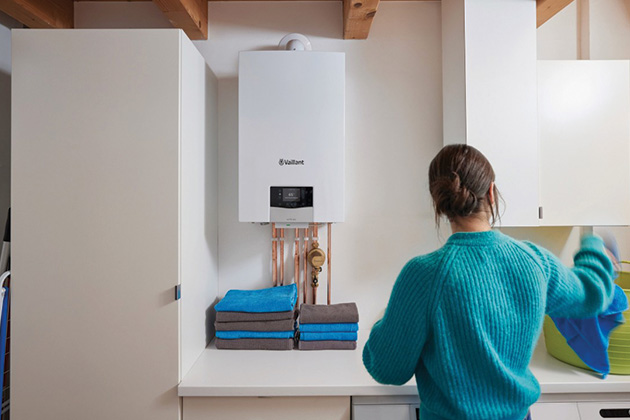
Your boiler is the heart of your home's heating system, working tirelessly to keep you warm and provide hot water. But like all appliances, boilers don't last forever. Knowing when to replace rather than repair can save you money, stress, and those dreaded cold showers.
Most modern boilers last between 10-15 years with proper maintenance, but several warning signs can indicate it's time for a replacement – even if your boiler hasn't quite reached that age. Here are five critical signals that your boiler may be approaching the end of its life.
1. Your Energy Bills Keep Rising
Have you noticed your gas bills creeping up, even though your usage hasn't changed? This is often the first sign that your boiler is losing efficiency.
Why This Happens
As boilers age, their components wear down and become less efficient at converting gas into heat. Your boiler has to work harder and burn more fuel to achieve the same level of warmth. Even with regular servicing, efficiency naturally declines over time.
The Numbers Don't Lie
If your boiler is over 10 years old, it's likely only 70-80% efficient at best. Modern condensing boilers, by contrast, operate at 90-95% efficiency. That difference of 15-25% translates directly to your energy bills.
For an average home in Wakefield or Leeds spending £1,200 per year on heating, upgrading to a new efficient boiler could save £200-£300 annually. Over the boiler's lifespan, that's thousands of pounds in savings.
What to Do
Compare your current energy bills with those from two or three years ago. If there's a significant increase that can't be explained by tariff changes or lifestyle changes, your boiler's declining efficiency could be the culprit. In this case, replacement often makes more financial sense than continuing to throw money away on excessive fuel consumption.
2. Frequent Breakdowns and Repairs
Is your boiler breaking down regularly? Are you on first-name terms with your heating engineer? Frequent repairs are a clear sign that your boiler is on its last legs.
The Repair vs. Replace Calculation
As a general rule, if repair costs exceed 50% of a new boiler's price, replacement is the better option. Similarly, if you're spending more than £300-£400 per year on repairs, you're better off investing that money in a new, reliable boiler.
The Age Factor
Repairs on boilers over 10 years old become increasingly expensive because:
- Parts become harder to source
- Manufacturers discontinue older models
- Each repair often leads to another as multiple components wear out simultaneously
- Labour costs add up with frequent callouts
The Inconvenience Cost
Beyond the financial aspect, consider the disruption. Each breakdown means no heating or hot water, taking time off work for engineer visits, and the stress of wondering when the next failure will occur. A new boiler eliminates these headaches entirely.
3. Strange Noises Coming from Your Boiler
Boilers shouldn't sound like they're hosting a percussion concert. Unusual noises are your boiler's way of crying for help.
Common Warning Sounds
Banging or Clunking – Often caused by limescale build-up on the heat exchanger (known as "kettling"). This is particularly common in hard water areas across Yorkshire. Whilst this can sometimes be resolved with a powerflush, severe cases indicate significant internal damage.
Whistling or Whining – Usually indicates air in the system, pump problems, or restricted water flow. If these persist after bleeding radiators, internal components may be failing.
Gurgling – Suggests trapped air or a circulation problem, potentially indicating pump failure or blockages.
Humming or Buzzing – Could point to electrical issues, loose components, or a failing pump.
When to Worry
Occasional minor noises after the boiler fires up can be normal. However, loud, persistent, or new noises that don't resolve after servicing are red flags. If your engineer has attempted fixes but the noises return, it's often a sign that multiple components are degrading and replacement is the more sensible option.
4. Visible Leaks or Corrosion
Water where it shouldn't be is never a good sign. Leaks and visible corrosion indicate serious problems with your boiler's structural integrity.
Types of Leaks
Dripping or Pooling Water – Can result from corroded pipes, a faulty pressure valve, or seal degradation. Whilst individual seals can be replaced, multiple leak points suggest widespread deterioration.
Pressure Problems – If you're constantly having to repressurise your boiler, there's likely a leak somewhere in the system, even if it's not immediately visible.
Visible Corrosion – Rust on the boiler casing or pipework indicates that moisture has been present for some time. Corrosion weakens metal and leads to more leaks – it's a progressive problem that only gets worse.
Why This Matters
Leaks aren't just inconvenient – they're dangerous. Water can damage your property, encourage mould growth, and if it reaches electrical components, create serious safety hazards. Additionally, leaks often indicate that the boiler's internal components are corroding, which cannot be reversed.
The Bottom Line
Minor leaks from a single, easily accessible point might be worth repairing. But if your boiler is leaking from multiple locations, showing extensive corrosion, or if leaks keep recurring after repairs, replacement is the only permanent solution.
5. Your Boiler Is Over 10-15 Years Old
Age alone isn't necessarily a reason to replace a well-maintained boiler, but it's an important factor to consider, especially when combined with other warning signs.
Why Age Matters
Technology Has Improved – Boilers from 10-15 years ago are significantly less efficient than today's models. Even if your old boiler is working, you're paying far more than necessary to run it.
Parts Become Unavailable – Manufacturers typically support models for around 10 years. After that, finding replacement parts becomes increasingly difficult and expensive.
Warranty Considerations – New boilers come with warranties (typically 5-10 years), providing peace of mind. Your older boiler has no such protection.
Reliability Declines – Even with perfect maintenance, components simply wear out over time. The older your boiler, the more likely it is to fail when you need it most.
The Proactive Approach
If your boiler is approaching 10-15 years old and you're starting to notice any of the warning signs above, it's wise to start planning for replacement rather than waiting for a complete breakdown. This allows you to:
- Shop around for the best deal rather than accepting emergency prices
- Choose a convenient installation time
- Take advantage of finance options to spread the cost
- Avoid being without heating during cold weather
Additional Signs to Watch For
Beyond the five major warning signs, also be alert to:
- Yellow flames instead of blue – indicates incomplete combustion and potential carbon monoxide risk
- Pilot light frequently going out – suggests component failure
- Radiators taking longer to heat up – indicates circulation problems
- Uneven heating throughout your home
- Soot or black marks around the boiler – a serious safety concern requiring immediate attention
The Benefits of Replacing Your Boiler
When you replace an old, inefficient boiler with a modern condensing boiler, you'll enjoy:
- Lower energy bills – typically £200-£300 per year savings
- Better reliability – no more unexpected breakdowns
- Improved heating performance – faster warmth and more consistent temperatures
- Enhanced controls – smart thermostats and zoning options
- Warranty protection – peace of mind for years to come
- Increased property value – a new boiler is attractive to potential buyers
- Reduced carbon footprint – better for the environment
Making the Decision
If you've noticed one or more of these warning signs, it's time to have an honest conversation with a qualified heating engineer. We can assess your boiler's condition and help you make an informed decision about whether repair or replacement is the better option.
At Warming Wakefield, we provide free, no-obligation quotes for boiler replacements across Wakefield, Barnsley, Leeds, York, and Huddersfield. We'll explain your options clearly, recommend the best boiler for your home and budget, and even discuss finance options to make a new installation more affordable.
Don't Wait for a Complete Breakdown
The worst time to replace a boiler is when it's already failed, leaving you without heating in the middle of winter. By recognising these warning signs early, you can plan ahead and arrange replacement at a time that suits you.
Modern boilers are more efficient, more reliable, and better for both your wallet and the environment. If your current boiler is showing any of these five warning signs, it might be time to start thinking about an upgrade.
Contact Warming Wakefield today for a free quote on a new boiler installation. Our Gas Safe registered engineers will assess your needs and recommend the perfect heating solution for your home.
.svg)